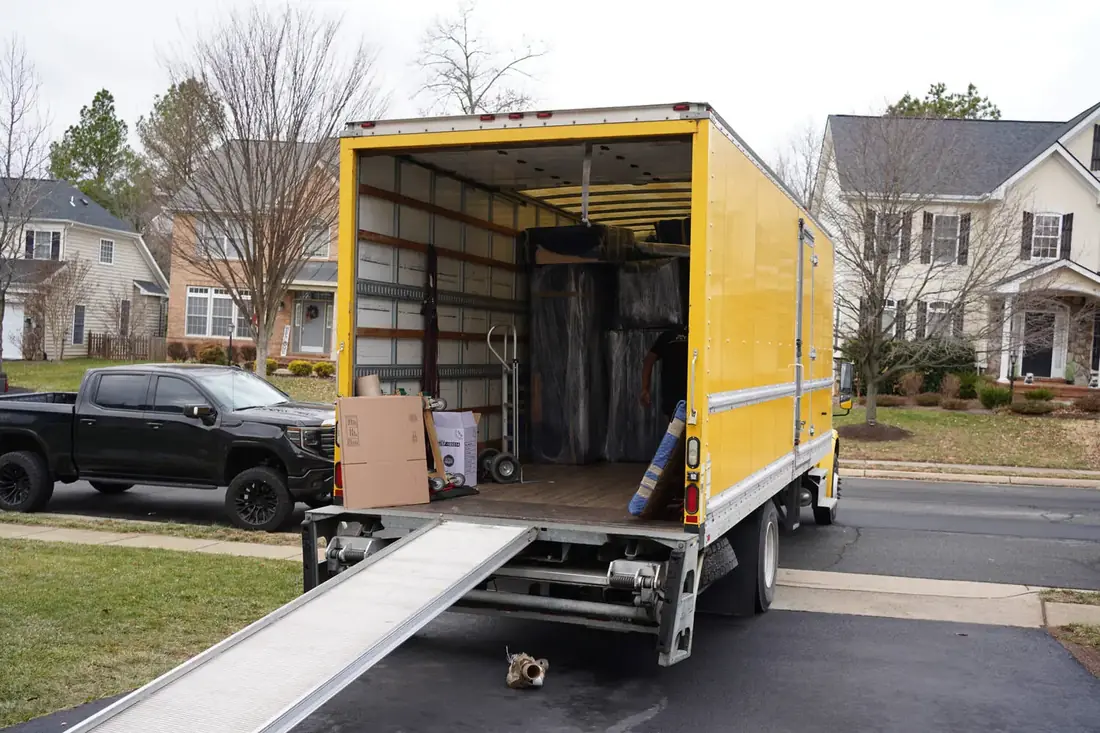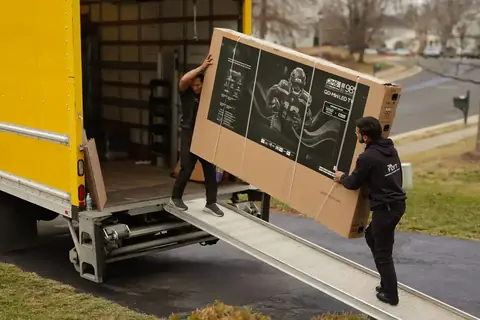

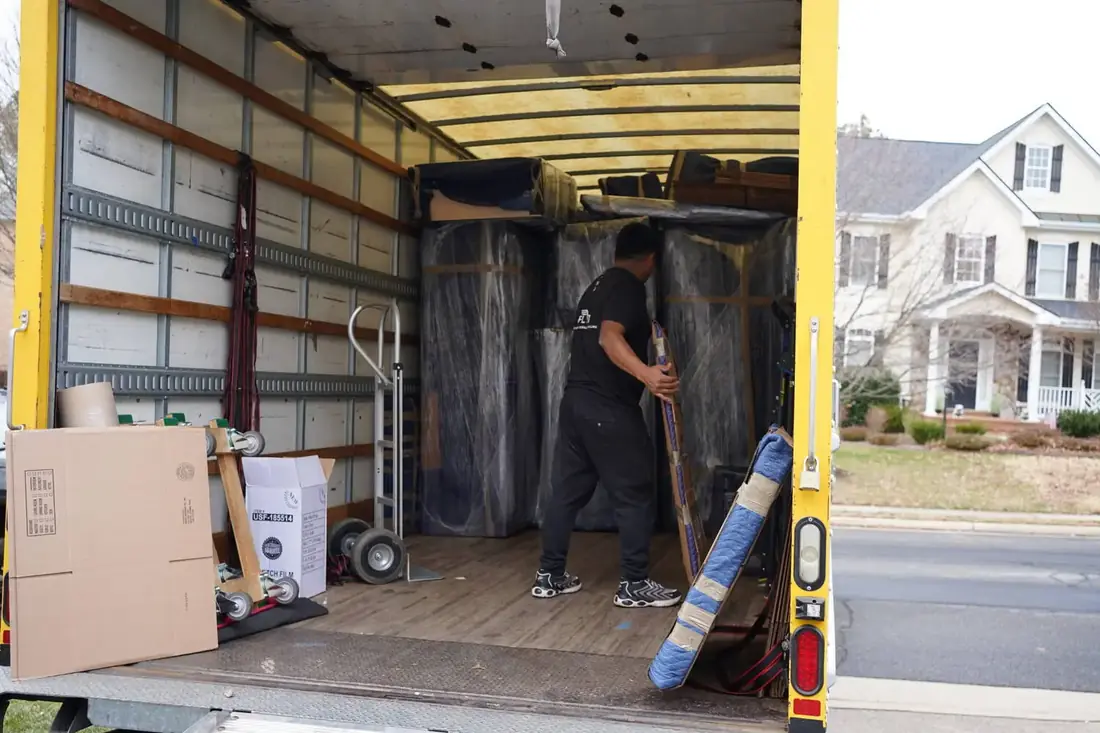
Loudoun County had 420,959 people at the 2020 census, and it keeps growing. If you are moving here, the first thing to know is that Loudoun is not one place. A townhome near the Potomac in Sterling, a new house in South Riding, and a farmhouse outside Purcellville all sit in the same county, but the move, the commute, and daily life are very different. This guide walks through the main parts of the county from a mover's point of view, so you know what to expect on move day and after.
Eastern Loudoun: Sterling and the Potomac side
Eastern Loudoun is the oldest suburban part of the county. Sterling, Countryside, Cascades, Potomac Falls, and Lowes Island sit between Route 28 and the Potomac River, with Route 7 running through the middle. You will find townhome rows, garden apartments, condos, and single-family streets, some going back to the 1970s.
For a move, eastern Loudoun means short drives and a lot of stairs. Parking on a townhome court can be tight on weekends, and many communities have an HOA. Dulles Town Center and Algonkian Regional Park are close, and Route 28 gets you to Dulles Airport and the business parks fast.
Ashburn and the Silver Line
Ashburn is the busiest part of the county. It has big HOA communities like Ashburn Farm, Ashburn Village, Broadlands, and Brambleton, plus newer condos and apartments around One Loudoun and the Metro. The Silver Line reached Loudoun in November 2022 with stations at Ashburn and Loudoun Gateway, and a lot of new buildings have gone up around them.
Ashburn is also home to the data-center corridor along roads like Waxpool and Pacific, which means heavy construction traffic on some routes. Moving into a building near the Metro usually means a loading dock reservation, an elevator booking, and a certificate of insurance from your mover.
Dulles South and Route 50
South of the Greenway, along Route 50, is Dulles South: South Riding, Stone Ridge, Arcola, Aldie, and Willowsford. This is mostly newer construction, with large single-family homes and townhomes in planned communities, and some neighborhoods are still being built.
The big moving issue here is timing. New-build settlements slip, and a delay on the new house can collide with the closing on the old one. If you are buying new in Dulles South, plan for a few days of storage in case the keys come late.
Leesburg and western Loudoun
Leesburg is the county seat, with a historic downtown and newer neighborhoods spreading out on all sides. West of Leesburg, the county turns rural fast: Purcellville, Round Hill, Hamilton, Lovettsville, Waterford, and Middleburg, with farms, horse properties, wineries, and small historic towns.
Western Loudoun has roughly 300 miles of gravel roads, and many homes sit at the end of long driveways. Moving out here takes more planning around truck access, weather, and distance. If you are moving to a farm or rural property, describe the driveway to your mover before you get a quote.
Getting around and settling in
Route 7 and the Dulles Greenway connect Leesburg and Ashburn to Tysons and the Beltway, and the Greenway is a toll road. Route 28 runs north and south through the east side, and Route 50 carries Dulles South toward Fairfax. Rush hour on Route 7 and Route 28 can turn a short move into a long one, so early start times help.
If you are moving into a planned community or a condo, ask your HOA or property manager for move-in instructions as soon as you have a closing date. They often have a form, a parking rule, or a certificate of insurance requirement to handle before the truck can even park.
What it takes to move within Loudoun
Local moves are billed by the hour, so the cost depends on how much you have, how long the carry is, and how far the drive is. A move across Ashburn and a move from Sterling to Purcellville can have the same number of boxes and very different hours. Stairs matter, parking matters, and an elevator booking in a condo building matters.
The best way to keep the hours down is preparation: boxes packed and labeled, beds taken apart, a clear path to the door, and a parking spot ready for the truck. For a long-distance move out of Loudoun, a flat, binding rate takes the guesswork out.
Your first week in Loudoun
Once the truck is unloaded, a few tasks are worth doing early. If you have an HOA, register with it and ask how things like trash pickup, parking permits, and pool passes work, since some communities handle them through the association. Set up utilities in your name before move day so the lights and water are on when you arrive. If you are moving from another state, Virginia expects you to update your driver's license and vehicle registration within a set time, so check the DMV's current deadlines.
Then learn your roads. Find the toll and non-toll routes between home and work, and try your commute at rush hour before your first real Monday.